


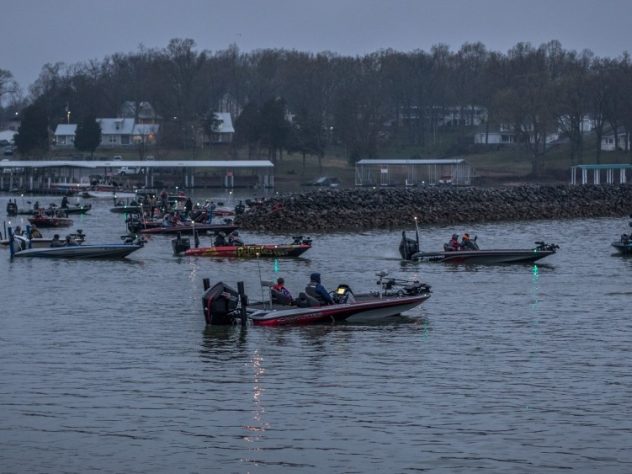

Inaugural “Bill Dance Giant Bass Open” Slated For October 21 & 22 At Lake Chickamauga In Dayton
Presented by Bill Dance Signature Lakes, the tournament at Bluewater Marina in Dayton offers ...


Season-Long Duck Blind Application Period Open
The application period for the 2023-24 season-long (Tier 1) duck blinds is open now ...
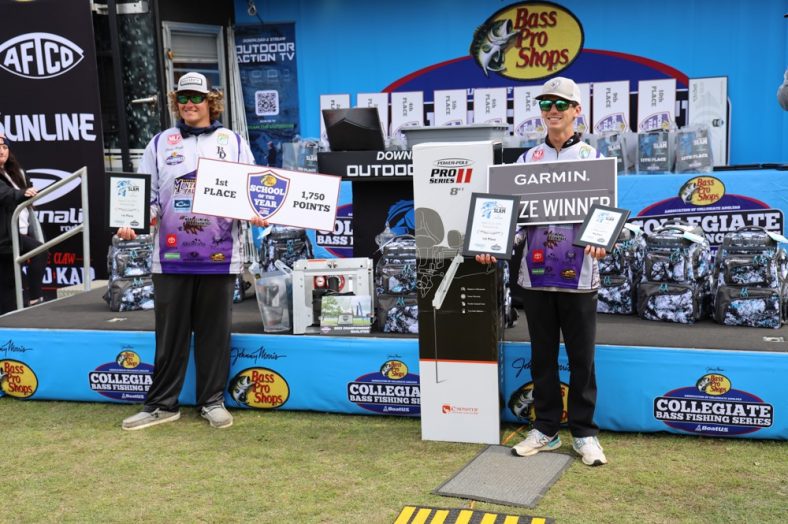
Number One Ranked Montevallo’s Plueger & Wright Win Pickwick Slam Presented by Evolution Fishing
FLORENCE, AL – The first event of 2023 on the Bass Pro Shops Collegiate ...
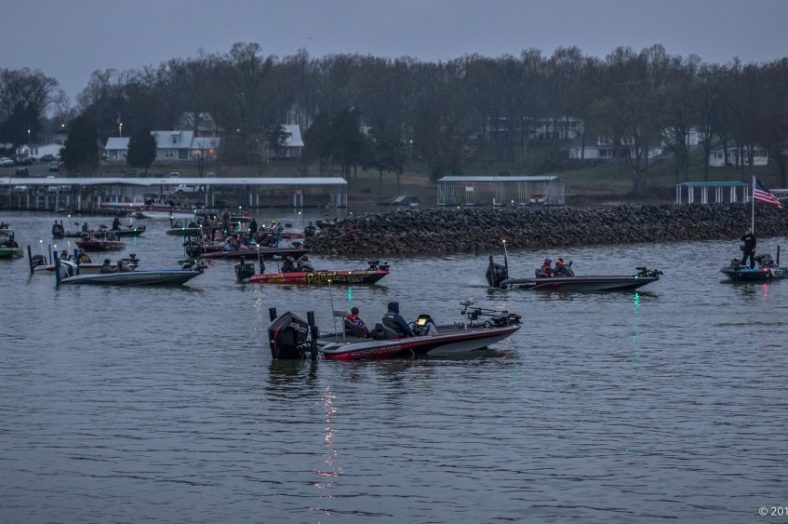
Kentucky and Barkley Lakes Set to Host MLF Toyota Series
GILBERTSVILLE, Ky. – The Major League Fishing (MLF) Toyota Series Presented by Phoenix ...
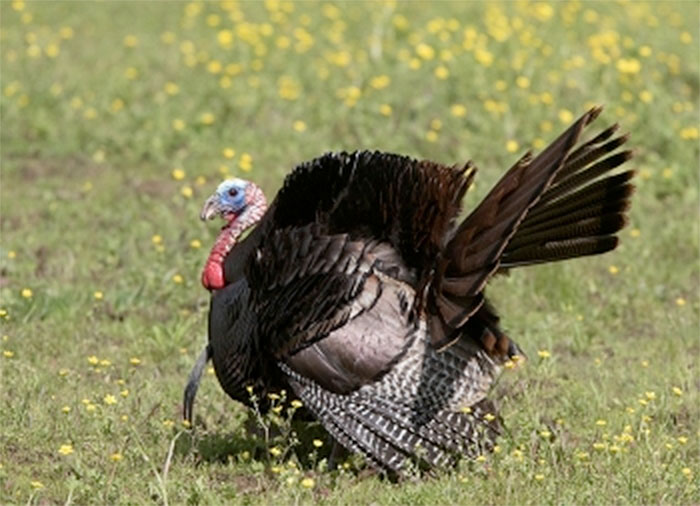
Spring Turkey Season Opens Soon!
Check your county for season opener date as some are later this year. Spring ...
TWRA Requests Public Input On Proposed 2023-24 Hunting Regulations
NASHVILLE — The Tennessee Wildlife Resources Agency is now soliciting comments on the proposed ...

Conditions Right for Exciting Bassmaster Classic on the Tennessee River
KNOXVILLE, Tenn. — With guests soon arriving for the grand affair, the Tennessee River’s ...

Continuing the Tennessee River Dominance – 2023 Bassmaster Classic
The only two Bassmaster events to take place on the Tennessee River are owned ...

YETI Issues Massive Product Recall
In cooperation with the U.S. Consumer Product Safety Commission, we are voluntarily recalling the ...
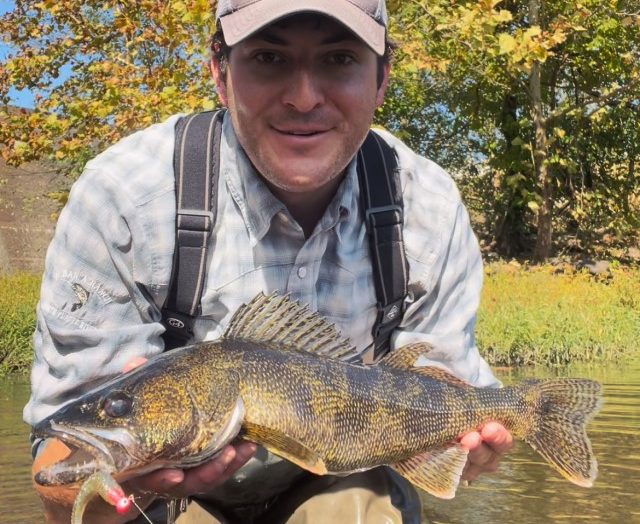
What’s A Saugeye?
Saugeye, Sander canadensis x vitreus, are a hybrid fish created by crossing a female ...
New Commission Officers Elected; Four Honored Upon Appointments Completion
NASHVILLE — The Tennessee Fish and Wildlife Commission elected its officers for 2023-24 and ...

Bill Dance: The First Fishing Superstar
There are legends in the sport of fishing, and then there’s Bill Dance. If ...
February Commission Meeting Set For Nashville
NASHVILLE — The Tennessee Fish and Wildlife Commission will return to Nashville for its ...

First Annual Minn Kota & Humminbird Owner’s Tournament To Be Held at Tennessee’s Pickwick Lake
RACINE, Wis. – The Minn Kota and Humminbird brands have been trusted by anglers ...
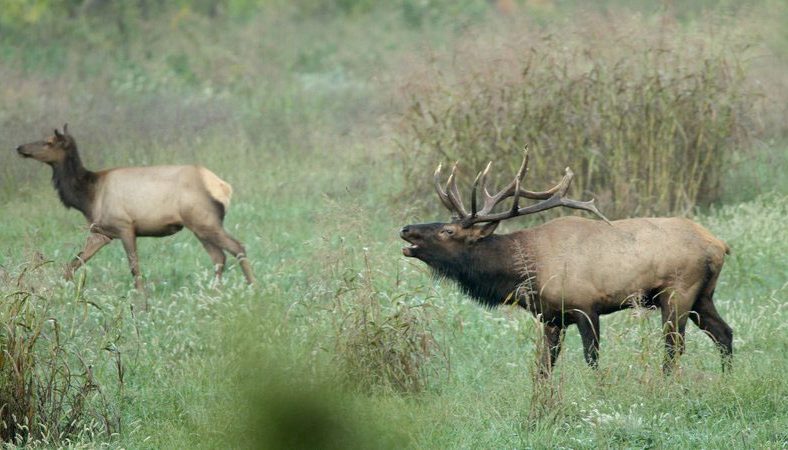
Elk Quota Hunt Application Period Underway
NASHVILLE — The application period for the 2023 Tennessee Elk Quota Hunt is open ...
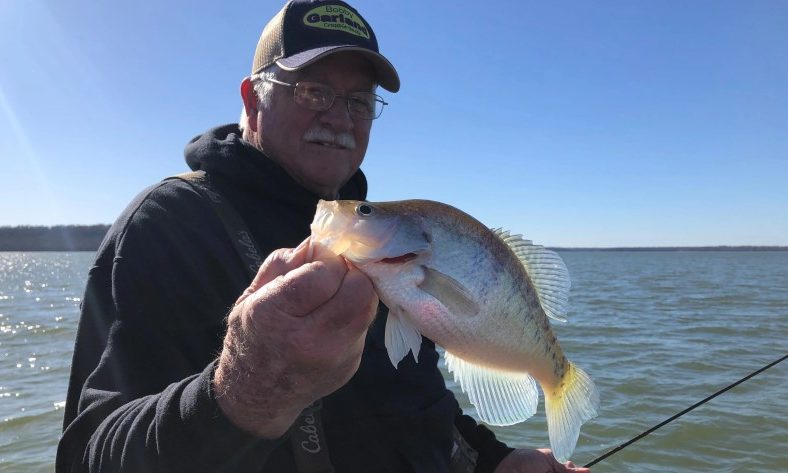
Lessons For Catching Winter Crappie Amid Changing Conditions
Read the Diary of a Crappie Madman from a January day when conditions were ...
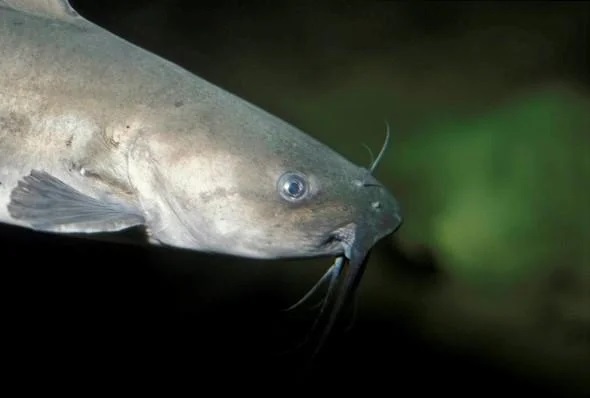
February 15 Virtual Program Has Tips for Cleaning Catfish
JOPLIN, Mo. – Catfish can provide a tasty meal. However, before any fish fillets ...
Ducks Unlimited celebrates 2023 World Wetlands Day
Wetlands are being lost three times faster than forests MEMPHIS, Tenn. – Jan. 30, ...
TWRA Requesting Public Input For Hunting Season Regulations
NASHVILLE — The Tennessee Wildlife Resources Agency is soliciting comments for its 2022-23 hunting ...
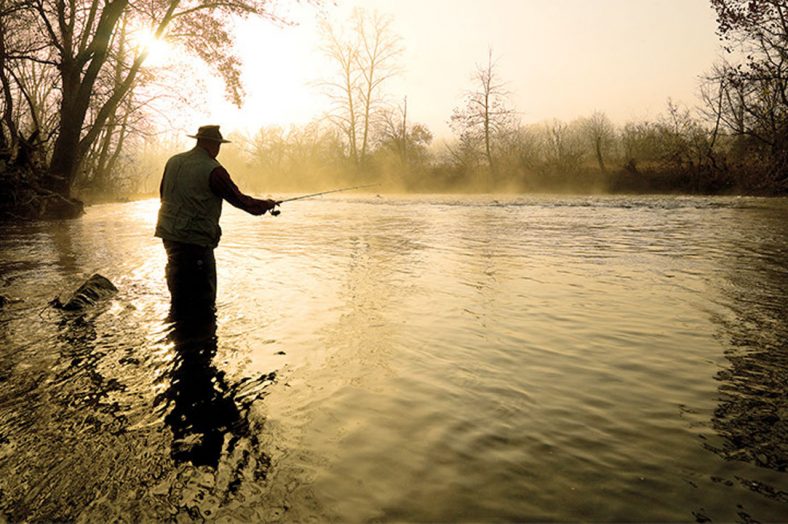
John Berry Fishing Report 1/10/2023
During the past week, we have had rain (a trace here in Cotter), cold ...
First 2023 Commission Meeting Set For Dyersburg
NASHVILLE — The Tennessee Fish and Wildlife Commission will return to Dyersburg for its ...
TWRA Requests Public Input On Proposed Chronic Wasting Disease Strategic Plan
NASHVILLE — A 30-day public comment period is now open for the Tennessee Wildlife ...
John Berry Fishing Report 12/28/2022
During the past week, we have had ice and snow (a bit over an ...
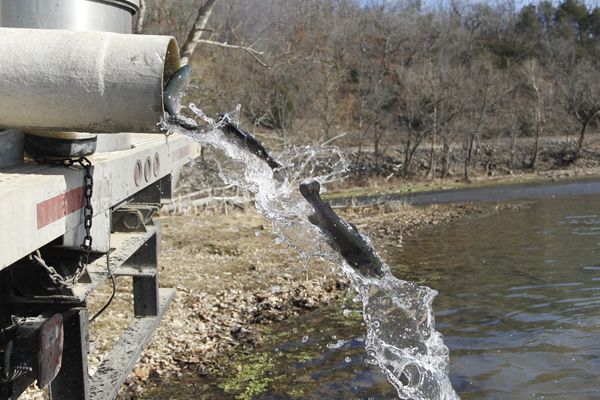
2022-23 TWRA Winter Trout Stocking Resumes
NASHVILLE — The Tennessee Wildlife Resources Agency’s 2022-23 winter trout stocking program resumes in ...
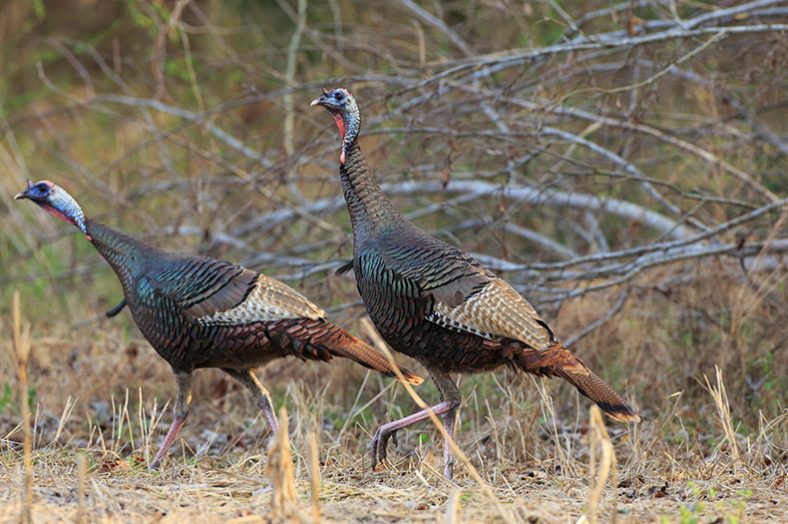
2023 Spring Turkey Quota Hunts Application Period Underway Through January 11
NASHVILLE — The application period for the Tennessee Wildlife Resources Agency 2023 Spring Turkey ...
John Berry Fishing Report 12/06/2022
During the past week, we have had a minor rain incidents (just a trace ...
Sowbug Roundup Fly Tying Contest 2023
By John Berry Once again the Sowbug committee is feverishly preparing for next year’s ...